Pachinko in Japan: A Cultural Form of Entertainment
How Pachinko Stands Apart Within Game Culture in Tokyo and Osaka
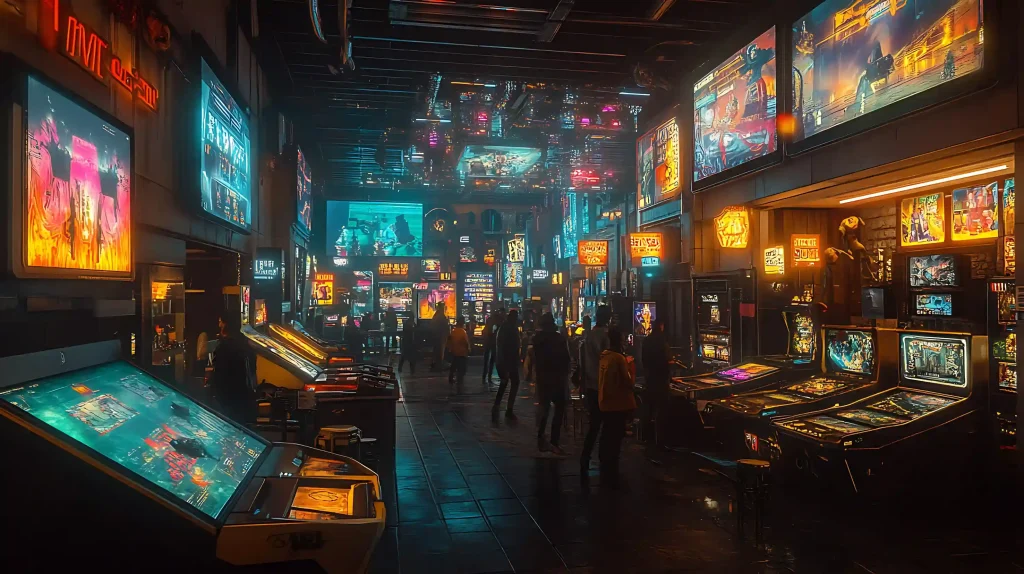
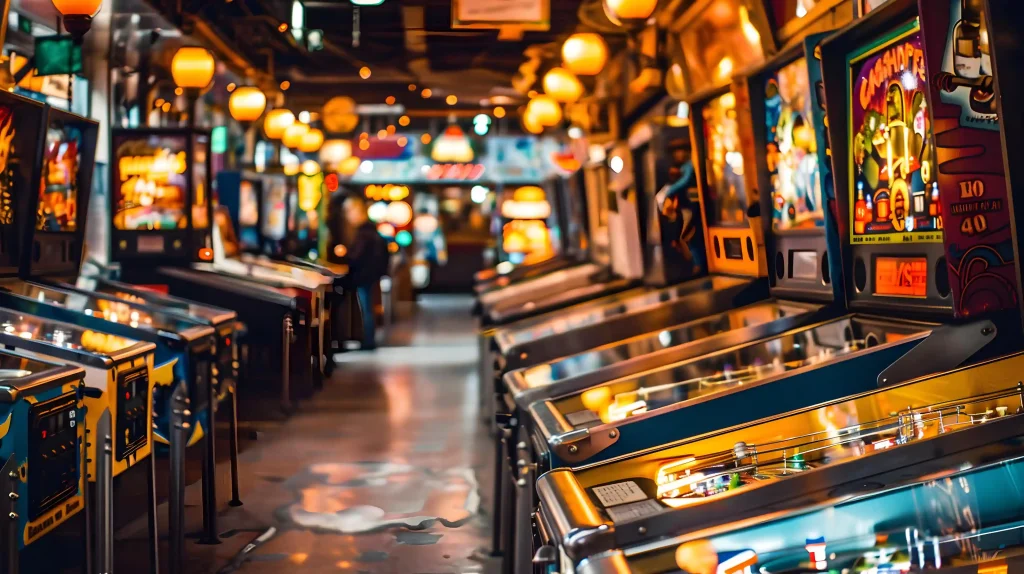
Pachinko is a distinctive entertainment format with deep historical and cultural roots in Japan. In cities such as Tokyo and Osaka, these venues form part of the urban leisure landscape, where mechanical systems, visual patterns, and shared spaces combine to create a structured and recognizable experience.

Understanding the Core of Pachinko
Pachinko is played on a vertical game system where small steel balls move downward across a surface filled with carefully arranged pins. The basic idea is simple: guide the balls toward specific areas that can release additional balls or unlock new opportunities to continue play. Even for first-time visitors, the fundamental mechanics are easy to grasp and quick to understand.
Pachinko in Tokyo and Osaka: Why Every Session Feels Different
One of the key differences between pachinko and traditional games lies in its blend of observation and uncertainty. Players choose when to begin and closely watch the path of each ball, yet the final outcome is never fully controlled. This balance between decision-making and chance ensures that each session feels fresh, engaging, and naturally unpredictable in venues across Tokyo and Osaka.
How a Typical Session Develops
A session usually starts with steel balls released from the top of the device. As they descend, the balls bounce between pins, shift direction, and create a steady, flowing movement that many visitors find calming to observe. Key moments occur when balls enter special zones, activating features such as bonus balls or extended play options.
Interaction and Familiarity Over Time
Although randomness remains central, experience can bring a subtle sense of influence. Small adjustments in timing or pressure may gently affect how the balls move. Since every device has its own pin arrangement and behavior, repeated visits naturally lead to greater familiarity and a deeper understanding of how each layout responds.
Progress and Continuity
Favorable outcomes may result in extra balls or reward items that can be saved and exchanged later. This layered structure adds continuity beyond a single round, giving each visit a sense of progression. As a result, pachinko offers more depth than a brief gaming activity, encouraging ongoing interest across multiple sessions.
Pachinko in Tokyo and Osaka: How It Stands Apart from Traditional Games
At first glance, pachinko may resemble familiar entertainment, but the experience is built on a very different foundation. Rather than relying on digital controls or fixed sequences, pachinko is driven by real, physical movement. Steel balls descend through the device under gravity, interact with carefully positioned pins, and respond to mechanical elements that subtly guide their path. Because these motions are physical and constantly changing, no two sessions ever play out in exactly the same way.
Player engagement in pachinko is ongoing rather than momentary. Instead of pressing a button and waiting for an outcome, players closely follow the movement of the balls, make small adjustments, and react as conditions shift. Much of the involvement comes from reading patterns, noticing timing variations, and learning how each system’s layout influences the flow. This creates a more observational and responsive style of play.
The Mechanical Core of Pachinko
At its heart, pachinko is built on tangible mechanics rather than purely visual effects. Once released, steel balls move through a dense network of pins, where even slight differences in angle or speed can alter their direction. Because outcomes can never be fully predicted, each session carries a natural sense of variation.
Thoughtful engineering and precise pin placement create a balance between consistency and chance. This blend of controlled structure and natural unpredictability gives pachinko its distinctive rhythm and clearly separates it from most conventional games found in Tokyo and Osaka.
How Pachinko Has Evolved Over Time
Modern pachinko look very different from their earliest counterparts. Contemporary models often feature electronic components, animated displays, and interactive elements that introduce motion and visual layering, making each session feel more engaging and immersive.
At the same time, the core structure remains unchanged. Steel balls, pin-based paths, and the familiar vertical layout still form the foundation of gameplay. New themes, visual effects, and additional functions are added on top of this traditional design, allowing pachinko to advance technologically while maintaining the character and identity that have defined it for decades.
Reasons to Explore Pachinko Venues
Flexible Availability
Venues in Tokyo and Osaka typically operate for extended hours, allowing visitors to engage according to their own schedules.
Cultural Perspective
Pachinko offers insight into a leisure activity that blends technology, routine, and everyday urban culture in Japan.
Shared Spaces
Many halls function as communal environments where visitors take part in a collective entertainment setting.
Mechanical Innovation
Modern pachinko systems reflect continuous refinement in mechanical engineering and interface development.
Visitor Impressions
★★★★★
“A clear and informative overview of an entertainment format that holds a meaningful place in Japan’s urban culture.”
— Site Visitor
★★★★★
“The continuous movement inside the hall, paired with an open and shared layout, creates a social rhythm that feels genuinely unique. This flowing atmosphere clearly sets pachinko apart from more conventional environments.”
— Entertainment Explorer
★★★★★
“A composed yet immersive atmosphere that highlights the technical dimension of leisure culture.”
— Cultural Observer